THANK YOU HAVE VISITED THIS WEB
Showing posts with label LIST E-BOOK FREE DOWNLOAD. Show all posts

Basic and clinical pharmacology


Book Description:
The current science of pharmacology-and its clinical applications-at your fingertipsNow in its 25th year of publication, Basic and Clinical Pharmacology is the most up-to-date and complete pharmacology textbook available. Through nine previous editions it has set the standard for concise and easy-to-read, yet comprehensive coverage of pharmacology. The text's integration of basic with clinical science makes it well suited for an integrated organ-system-based curricula as well as the more traditional curricula.
Download:


This ebook can be download at:

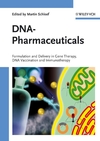
DNA pharmaceutical


Book Description:
With its focus on a completely novel class of pharmaceuticals, this book collates the hitherto scarce literature about DNA drug formulation keenly desired by biotechnologists, molecular biologists and pharmacists, as well as those working in the biotechnological and pharmaceutical industries.As such, this volume presents a wide range of gene delivery systems needed for different therapeutic applications. It fills the gap between research and clinical trials and describes pharmaceutical fundamentals for the development of efficient DNA pharmaceuticals

This ebook can be download at:

Synthesis Of Essential Drugs

This book represents an effort to express a long overdue need of compiling information which has been accumulated over the course of more than 30 years of our work in the area of the synthesis of medicinal drugs. Our effort fills obvious gaps that exist in the literature of drug synthesis.The synthesis of various groups of drugs are presented in an order similar to that traditionally presented in a pharmacology curriculum. This was done with a very specific goal in mind to harmonize the chemical aspects with the pharmacology curriculum in a manner useful to chemists. Practically every chapter begins with an accepted brief definition and de******ion of a particular group of drugs, proposes their classification, and briefly explains the present model of their action. This is followed by a detailed de******ion of methods for their synthesis. Of the thousands of drugs existing on the pharmaceutical market, we mainly discuss generic drugs that are included in the WHOs "Essential List of Drugs." For practically all of the 700+ drugs described in the book, references (around 2350) to the methods of their synthesis are given along with the most widespread synonyms. This book will provide the kind of information that will be of interest to those who work, or plan to begin work in the captivating areas of biologically active compounds and the synthesis of medicinal drugs.


This Ebook Can be Download at:

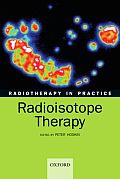
Radiotherapy in Practice: Radioisotope Therapy


Peter J. Hoskin
Oxford University Press, USA 2007-03-22 ISBN: 0198568428 184 pages CHM 5,1 Mb

Radioisotope therapy is an internal form of radiation used to treat cancer; it may be administered orally or intravenously and represents the nearest treatment option to the 'magic bullet', specifically targeting sites of disease whilst sparing surrounding normal tissues. Radioisotope therapy has an important role to play in modern medicine, particularly in the treatment of thyroid disease, neuroendocrine tumours, bone metastasis and non-Hodgkin's lymphoma. It is found in both the diagnostic setting and in therapy, but recently there has been a renaissance in the application of radioisotope unsealed sources in therapeutic indications. It is an active area of research, with the quest for new compounds that will be specific for therapeutic targets. This book is an essential, practical guide to the use of radioisotope therapy, and also includes the background and developmental biology which underpins its use. Individual tumours and diseases are explored, with specific focus given to radioisotope treatment options. The barriers to radioisotope therapy, such as ease of access, acquisition of radioisotopes, radiation protection regulations, and cost are also discussed. ABOUT THE SERIES Radiotherapy remains the major non-surgical treatment modality for the management of malignant disease, with over 50% of patients receiving treatment at some time during the management of their malignant disease. It is based on the application of the principles of applied physics, radiobiology, and tumour biology to clinical practice. Each volume in this series takes the reader through the basic principles of different types of radiotherapy, and then develops these by individual sites. This series of practical handbooks are aimed at physicians both training and practising in radiotherapy, as well as medical physicists, dosimetrists, radiographers and senior nurses.


This Ebook Can be download

Biochemistry, 5th Edition, 2002-02


Reviewer:
This is a superb book to understand the excitement in biochemistry and to understand its relevance to human health. Stryer's book presents biochemistry in a completely different manner. Instead of traditionally presenting one topic after the other, it presents each chapter giving a representative molecule or system for explanation and characterization of the material in that chapter . For example, heamoglobin and myoglobin for explaining the three dimensional structure of proteins, lysozyme and chymotrypsin for explaining enzyme action, and a host of others. Each example is critically chosen, considering its role and function in life and metabolism. This makes the matter very interesting and practical. Paralleling this are given descriptions of diseases and biochemical disorders as well as historical perspectives. The last part, molecular physiology, gives a lucid exposition of the fundamental biochemical processes in living organisms. In fact, the whole point of view in the book is a physiological one. The book is unlike Lehninger, which is essentially a traditional textbook. Even though Lehninger is great as an introductory book, Stryer is, in my opinion, the book to read if you want to learn biochemistry as a discipline which should be viewed as an exciting excursion into human metabolism and life.Review of new edition (Berg, Tymockzo):I had written a favourable review earlier for a previous edition of Stryer. I rest my case for the latest edition too. Jeremy Berg and John Tymoczko, both accomplished authors, join Lubert Stryer in producing this time tested and comprehensive book. If you are someone like me, who believes that enzymes and proteins are the key to understanding the mysteries of life, then this book is for you. While it may not have as much coverage of nucleic acid chemistry biochemistry as some of the other books, I believe that the next revolution in biology is going to hinge upon our understanding of SYSTEMS. And while an understanding of genes is crucial as enabling knowledge, if you really consider all the actual action that happens in biochemical systems, almost all of it is mediated by enzymes and receptors. Stryer's new edition has literally hundreds of pictures and discussions of proteins and enzymes which explain the structure and function of these magnificent biological agents. The book has still retained the concise and yet comprehensive style which made its previous edition so good. Again, the book strikes a good balance between textbook and medical biochemistry, which is its great strength. Small boxes and side discussions throw light on the most interesting events connected with drug metabolism and disease. As a side point, the discussions about nucleic acid biology which the authors HAVE included are pretty good in themselves. Biochemistry is one of the most exciting branches of scientific research. This is because first of all it is highly interdisciplinary, enjoying a wonderful synergy with organic and inorganic chemistry, physical chemistry and physics, and of course, biology. Secondly, Biochemistry is an extraordinarily dynamic subject and biochemical knowledge doubles every five years. Discoveries in biochemistry directly affect medical science. In the 21st century, it continues to promise us radical understanding into the working of life, and any good biochemistry book should ideally convey this excitement to the reader. This one does. The bottom line is, if you want to get excited about the miracle that is called life, and want to do it in a rational way, Stryer is still one of the very best. I hope it continues to be so.

This Ebook Can be Download At:

Sunscreen, regulation and commercial

The sunscreen industry is achieving remarkable worldwide prominence by responding to the growing need for skin protection with fast-paced innovation. Increased consumer awareness of the harmful effects of sunlight has fueled the demand for improved photo protection. The need for broad-spectrum protection from both UVA and UVB rays has inspired scientists worldwide to research new cosmetic formulations and delivery systems. More effective sunscreen actives, emollients and novel cosmetic and functional ingredients have been regularly added to the formulator’s repertoire. Creativity in innovation has been hindered only by regulatory agencies and patent restrictions worldwide. Familiarity with the current restrictive regulations and patent law infringements has become integral to any research effort attempting to provide improved protection to individuals affected by the sun’s damaging effects.


This ebook can be download at:

Rheumatoid Arthritis, Current Dirrections in Autoimmune

During the last decades, investigation into rheumatoid arthritis has benefited from the enormous growth in understanding principal functions of the immune system and the explosion in the knowledge of molecules involved in regulating normal and pathologic immune responses. Despite this progress, the disease has defied a unifying concept and new challenges and perspectives have emerged. Once again, it is becoming evident that research of autoimmune diseases is not a one-way street but a dialectic process between basic science and disease studies. We have learned that rheumatoid arthritis is not a single mechanism-single molecule-single gene disease. The chapters commissioned in this volume illustrate the many facets of disease pathogenesis.


This ebook can be download at:
Download In here

Oxidative stress and disease

Oxidative stress is a major factor in health, aging, and disease and is often defined by the redox balance established by cellular oxidants and antioxidants. The ratio of reduced to oxidized levels of major low-molecular weight protein thiols, such as cysteine and glutathione or thioredoxin and glutaredoxin, is often used as a measure of oxidative stress. Among naturally occurring thiols, the discovery of a-lipoic acid has led to an unprecedented interest in basic research because of its role in energy metabolism and as an antioxidant for the treatment of certain
diseases. a-Lipoic acid has acquired importance because of its role as a coenzyme in the maintenance of energy metabolism, on one hand, and as an antioxidant and cell redox modulator, on the other hand. The former was supported by the discovery of the essential role of lipoic acid in mitochondrial dehydrogenasedriven reactions inherent in energy metabolism and the latter is supported by reduction of supplemental a-lipoic acid to dihydrolipoic acid in mammalian cells conferring further antioxidant protection. For example, lipoic acid is an essential cofactor of a-keto acid dehydrogenase complexes in eukaryotic cells as part of the lipoyl domain of the E2 enzymes (dihydrolipoamide acyltransferases). Also, exogenous R- (or RS)-lipoic acid is reduced by a flavoenzyme, dihydrolipoamide dehydrogenase, of the complex in mitochondria. Hence lipoic acid may be a mitochondrial-targeted nutrient. The cell redox status is a critical factor regulating cell proliferation, differentiation, apoptosis (programmed cell death), and necrosis, and the mitochondrion is a center of interest for its role in the generation of signaling molecules (e.g., hydrogen peroxide and nitric oxide) that, in turn, modulates the redox status of the cell.

This ebook can be download at:

Oral Pharmacotherapi For Male Sexual Dysfunction

Preface For the generation that reached sexual maturity in the 1960s, the “pill” became synonymous with sexual freedom and started a sexual revolution. For women it meant freedom from the fear of pregnancy, and for men enhanced sexual opportunity. The new era of the pill has nothing to do with fertility, but everything to do with sex. The first orally effective prescription drug for treating erectile dysfunction (ED) was marketed in 1998. Sildenafil (Viagra®) has rejuvenated the aging male veterans of the sexual revolution, forever changed the science of sexual medicine, and transformed society’s perspective on aging and sex. This class of drugs, known as oral phosphodiesterase inhibitors (PDE-type 5), is highly effective in the treatment of ED. Since its introduction there has been a much greater awareness of ED, its comorbidities, and its effects on the quality of life. In 1997, while preparing to address the Endocrine Society on the occasion of the 92nd American Urological Association meeting, I first looked at the preclinical studies of sildenafil. I thought “this will change everything” and it clearly has—changing practice patterns in sexual medicine, and the attitudes of patients, potential patients, and their partners. Two new PDE-type 5 inhibitors, tadalafil (Cialis®) and vardenafil (Levitra®), were first approved by the European Committee for Proprietary Medicinal Products and subsequently by the Food and Drug Administration in 2003 and 2004. The new PDE-5 inhibitors have given health care providers a choice in prescribing therapy for ED, but it remains to be seen whether these or subsequent agents will provide the opportunity to treat more patients or, for that matter, to treat the same patients more effectively and safely. Pharmacological management of ED can now be given as a tablet, as a sublingual preparation, as an intraurethral pellet, as a topical gel, and as an injection. Current lines of study are looking at inhalation as a faster route of treatment delivery. These various drugs work through differing physiological mechanisms: amplifying penile blood flow elicited by sexual stimulation, enhancing neural signaling, and in some instances can even induce erection without sexual stimulation.

This ebook can be download at:

Thesis Collection From Indonesia

LIST EBOOK FREE DOWNLOAD

Handbook Of Biologically Active Peptides

Bone Marrow-Derived Progenitors (Handbook of Experimental Pharmacology

Advanced Pharmaceutics: Physicochemical Principles

Herbs and Natural Supplements - An evidence Based Guide 2nd Edition

Arab Drug Refrence

The pfizer Guide To Careers in Pharmacy

Pouchers Perfumes Cosmetics And Soaps 10th Edition

Current Medical Diagnosis and Treatment 2007 & 2008

DNA pharmaceutical

Basic and clinical pharmacology


Organic Chemistri Of Drug Shynthesis

Synthesis Of Essential Drugs

Progress In Inorganic Chemistry Volume 54


Global Pharmaceutical Marketing: A Practical Guide to Codes and Compliance

Handbook of Cosmetic Science and Technology, Third Edition

Spectroscopy of Pharmaceutical Solids

Encyclopedia of Clinical Pharmacy

Pathology and therapeutics for Pharmacist

Free radicals and Antioxidant Protocols, Methods in Molecular Biology

Herbal Pharmacology in the peoples Republic of China

Hypertension Principles And Practice

Genomics and Pharmacogenomics in Anticancer Drug Development and Clinical response

Casarett and Douls Toxicology-The Basic science of Poisons 7th edition

Cosmetic formulation of skin care product

Pharmaceutical Suspensions

Sunscreen, regulation and commercial

Rheumatoid Arthritis, Current Dirrections in Autoimmune

Pharmaceutical Compounding and dispensing

Oxidative stress and disease

Oral Pharmacotherapi For Male Sexual Dysfunction

Related Posts Plugin for WordPress, Blogger...
THANK YOU HAVE VISITED THIS WEB